The track record the framework sits on.
Innovate Engineer was built on the pattern we kept seeing at Cast Iron CAD: good ideas stalling because nobody knew what to do first. Fifteen years and 280+ engineered products at Cast Iron CAD, and the person who put the framework together.
Why this exists.
ORIGIN · THE PATTERNFifteen years of running Cast Iron CAD taught us the same lesson over and over. The projects that failed were rarely engineering failures. They were validation failures. Good design applied to the wrong idea still produces a product that does not sell, cannot be made at the price, or solves the wrong problem.
The early conversations, spec-writing, and viability thinking that would have caught it were either skipped or paid for at consultancy rates. Neither worked well for early-stage founders and inventors. So we packaged the first pass as a structured tool, made it free, and kept the human expertise for when it earns its keep.
Dave Lock.
BIO · TECHNICAL DIRECTORDave is a mechanical engineer and the Technical Director of Cast Iron CAD Ltd. He has spent over 25 years helping startups, inventors, and SMEs take physical products from rough concept to production.
His work spans consumer goods, industrial equipment, IoT devices, and bespoke one-off builds. The common thread is commercial viability: the product has to be buildable, at a price, at a quality, by a supplier who will still be there in a year.
Dave holds a BEng (Hons) in Polymer Engineering and teaches Product Design and Engineering to master’s students at the University of Brighton. The methodology stands on the delivery record, not on a title.
The track record.
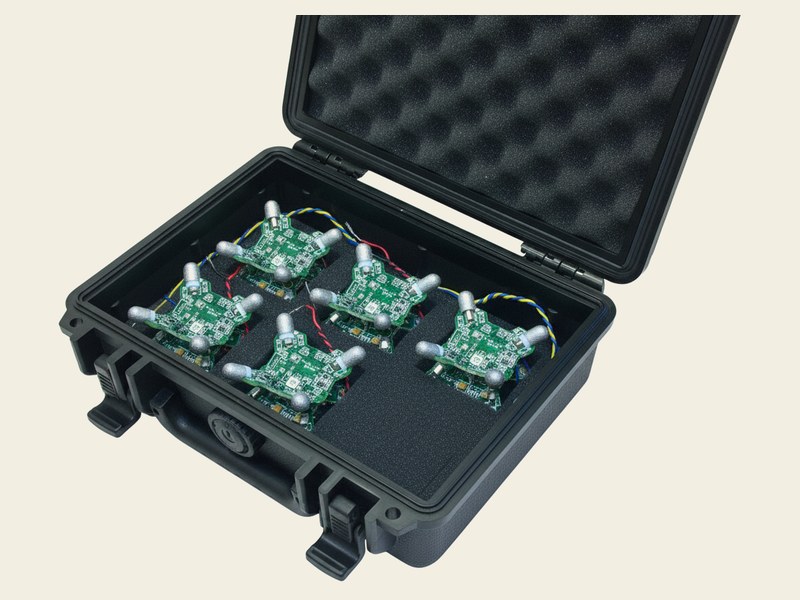
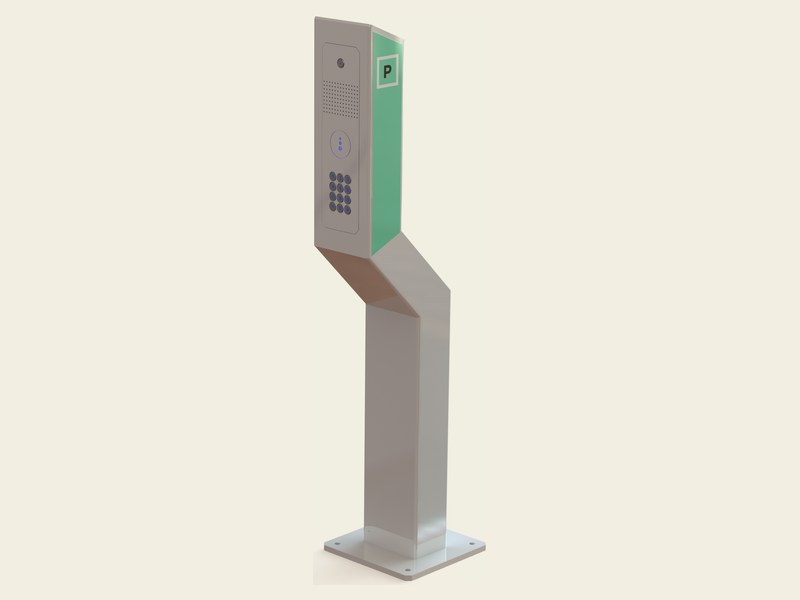
CAST IRON CAD · 280+ PRODUCTS
How the framework got built.
METHODOLOGY · SOURCEThe 10-stage framework is not a theoretical model. It is the sequence we learned to ask questions in after 280+ real projects. Every stage earns its place by catching a specific class of failure we have seen derail real products.
The structure builds on the Double Diamond, created by the Design Council in 2004 and shared under a CC BY 4.0 licence. The Double Diamond gave design a universal language of diverge-then-converge. We took that foundation and extended it with the engineering, manufacturing, and commercial validation steps that physical products demand.
Over 35 contributors shaped this framework: engineers, manufacturers, supply chain specialists, commercial strategists, and product leaders drawn from across industry. Their collective experience exposed the failure modes that each stage is designed to catch early.
Cast Iron CAD is the commercial home of this work. It is not the only practice that can use the output. The Specification and Viability Report are deliberately portable, and CIC is a natural next step rather than an exclusive lock-in.
The best way to meet the method is to use it.
Run the Free Sprint. If the output is worth an engineer’s time, book a review. If it is not, you have still lost nothing.
Start the free sprint →CONTACT · info@innovate.engineer · Cast Iron CAD Ltd · Hove, UK